Episode 14: Understanding Chronic Pain: Beyond the Hurt
Understanding chronic pain means looking beyond the hurt. Chronic pain can make a shower feel like a full day’s work. It can turn a much-loved concert into a risk. It can leave you choosing between seeing a friend and having enough energy to get home.
Then someone says, “But you look fine.”
In Episode 14 of The Support and Kindness Podcast, Greg Shaw joins Rich, Jay, Derek, and Sam for an honest talk about pain. They share how it began, what it changed, and what helps them get through a day.
Their stories differ. The need to be heard does not.
This companion goes beyond the conversation. It adds research, practical tools, and places to find support. You do not need to try everything here. One useful idea is enough.
Health note: This article shares lived experience and general education. It does not replace medical advice or diagnosis. Speak with your care team before changing medicines, treatment, or activity.
Listen to Episode 14
Open Episode 14 on Spotify or find more episodes.
Understanding chronic pain: what does it mean?
Chronic pain is pain that persists or recurs for more than three months. It may stay present or vary over time. Some people also have repeated painful attacks, with quieter periods between them.
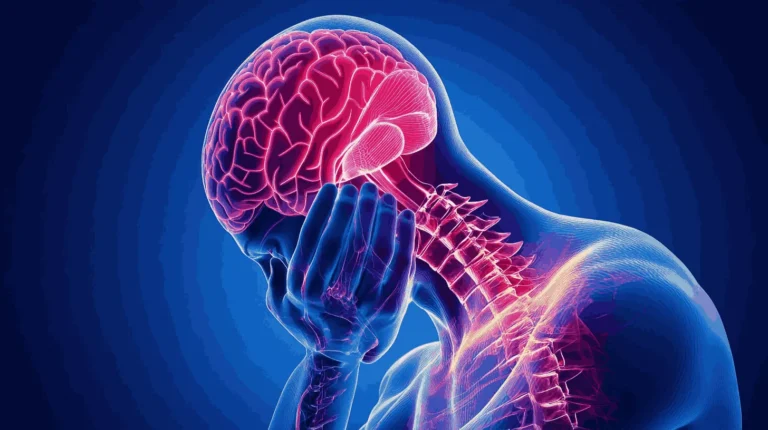
The National Institute of Neurological Disorders and Stroke explains that pain can involve tissue damage, nerve injury, or changes in how the nervous system processes signals. These can overlap.
That means chronic pain has many causes. A sensitive nervous system is one part of the picture for some people. It is not an explanation for every person or every new symptom.
Pain also does not have to be visible to count. A scan answers certain questions. It does not measure the whole experience of pain. Normal results can be useful without meaning that nothing is wrong.
If symptoms change, you still deserve a fresh assessment. A past diagnosis should not become a reason to dismiss a new problem.
How common is chronic pain?
The CDC’s National Center for Health Statistics report on U.S. adults in 2023, published in November 2024, found:
| Measure | Share of U.S. adults |
|---|---|
| Chronic pain | 24.3% |
| High-impact chronic pain | 8.5% |
| Chronic pain among women | 25.4% |
| Chronic pain among men | 23.2% |
In that survey, chronic pain meant pain on most days or every day during the past three months. High-impact chronic pain also limited life or work activities on most days or every day. These are survey definitions, not a test for an individual patient.
Rates increased with age and were higher in less urban areas. The findings show that pain is common across communities. They do not mean that being young, male, or living in a city protects someone from it.
These figures describe 2023. They should not be presented as a count of people living with pain today.
Five stories, no single pain experience
Rich: the moments migraine takes away
Rich describes headaches and migraine after car accidents and earlier sports concussions. Light and noise could turn a day out into something much harder.
He talks about missing events, leaving gatherings early, and losing time with people he cared about. The loss was more than an activity on a calendar. It was the memory he did not get to make.
Rich also finds hope in treatment advances. His story leaves room for both truths: pain has cost him a great deal, and he still hopes care can improve.
Jay: stomach illness, stigma, and belonging
Jay shares his experience of cyclic vomiting syndrome and cannabinoid hyperemesis syndrome, or CHS. He describes repeated hospital visits, strain on relationships, and feeling judged.
One medical detail needs care. CHS is linked with prolonged cannabis use. Describing it as a simple cannabis allergy, as Jay does conversationally, is not medically accurate. The American College of Gastroenterology’s CHS and cyclic vomiting guide explains the conditions and the importance of stopping cannabis for CHS.
Warm baths may give temporary relief for some people. They do not treat the underlying problem. Repeated vomiting, dehydration, or inability to keep fluids down needs medical care.
Jay also describes something that helped emotionally: being part of groups where he felt included and loved. His account is a reminder that people deserve treatment and respect even when substance use is part of the story.
Derek: adapting after brain injury
Derek describes a serious fall, brain injury, nerve damage, and changes in how he walks. Those changes affected his back and his ability to join activities.
He shares ways he has adapted, including stretching, breathing, walking when suitable, and resting. He also talks about emotional changes after his injury.
Those are his personal tools. Someone with different injuries may need different help. His wider message is worth keeping: notice what your body needs, and allow room to adjust.
Sam: pain and recovery together
Sam discusses a broken back, joint damage, surgeries, and substance use recovery. He describes the strain of living in a body that feels unpredictable.
He also discusses Suboxone. His experience should not be read as instructions for anyone else’s medicine or surgery plan. Buprenorphine-containing treatment requires individual care, especially around operations.
Sam’s story challenges the idea that pain care and addiction care are competing needs. A person can need both. Neither condition makes them less worthy of relief, trust, or support.
Greg: finding purpose within limits
Greg talks about back injuries, the pressure to lift heavy things, depression, canceled plans, and isolation.
One source of support is a creative coworking group. Members check in, work on their own projects, and return to share how things went. The routine provides company as well as structure.
It is a practical example of adapting connection. Being with people does not always need to mean travel, noise, or a long visit. Sometimes it means showing up online for a short check-in.
Pain changes more than the body
Across the episode, the panel returns to a painful feeling: people stop listening.
At first, others may ask how you are. Months or years later, the pain remains, but the questions fade. You may stop bringing it up because you fear being a burden.
That silence can make pain feel lonelier.
It can also affect identity. Perhaps you were the person who carried everything, organized every event, or never needed help. Adjusting that role can bring grief. You may miss your old routines without wanting to give up on your life now.
There is room for both feelings.
For more about being dismissed when symptoms are unseen, read Invisible Illness.
For a related conversation, read Episode 47: Understanding Fibromyalgia. It explores invisible symptoms, fatigue, and the need to be believed.
What does research say about chronic pain care?
Most people need care matched to their condition, health, goals, and preferences. A useful plan might combine medical treatment, rehabilitation, emotional support, and changes to daily tasks.
The CDC’s overview of nonopioid therapies includes options such as physical therapy, appropriate exercise, psychological treatments, and certain medicines. Which options fit depends on the cause of pain and the person.
The National Center for Complementary and Integrative Health reviews approaches such as mindfulness, acupuncture, tai chi, and yoga. Evidence varies by condition. Benefits are often modest, and safety still matters.
A modest benefit can matter. It might help someone take part in a valued activity. It is still different from a cure.
Cost and access matter too. A treatment plan is hard to use if transport, insurance, fatigue, or waiting lists make it out of reach. Tell your care team about these barriers. Ask which parts of the plan can be adapted.
One recent study, with clear limits
A 2025 trial in JAMA Network Open compared mindfulness-based therapy with cognitive behavioral therapy in 770 adults with chronic low back pain who were taking opioids. Both groups received eight weekly therapist-led sessions. Both improved in several outcomes, and neither clearly outperformed the other.
There was no untreated control group. The results cannot show that either therapy caused every improvement. They also do not apply automatically to every pain condition. The study supports discussing structured support with a clinician, rather than treating a breathing exercise as a substitute for care.

Pacing: make room for the next task
The episode mentions pacing and managing energy. The aim is to avoid spending every bit of capacity on the first task of the day.
Cambridge University Hospitals’ pacing guide offers a way to think about balancing activity and rest. Pacing is a skill to adapt, not a promise that flares will stop.
Here is an example. You want to sort the kitchen. Instead of treating the room as one job, choose one small part. Clear a section of the counter. Sit down. Decide whether another step fits today.
You might also:
- Put supplies within reach before you begin.
- Sit for a task you usually do standing.
- Alternate tasks that use different kinds of effort.
- Leave some jobs for another day.
- Ask someone to do the lifting or carrying.
These are options. They are not rules you must follow perfectly.
Movement goals also need to fit the person. There is no universal number of steps or minutes here. Do not keep increasing activity on a fixed schedule when it causes worsening symptoms. Seek advice about new pain, marked changes, or delayed crashes after exertion.
A flare-day plan that fits on one page
A flare can make decisions harder. A short plan can reduce the number of choices you need to make when you already feel worn down.
Try writing three headings: what helps, what can wait, and who can help.
Under the first, list things you already know are safe and useful for you. That could mean a quieter room, an easier meal, a comfortable position, or a treatment agreed with your clinician.
Under the second, name tasks that can move. Laundry may wait. A meeting may become a text message. A visit may become a short call.
Under the third, choose one or two people. Give them a specific request where possible.
For example: “Could you collect my groceries? I can place the order, but I cannot manage the trip today.”
A flare plan does not replace medical care. New, severe, or unusual symptoms should not be assumed to be your usual pain.
Track what matters without making it a second job
Greg suggests a simple pain and activity log. The point is to help you communicate, not to watch your body every minute.
A short entry could look like this:
| Date | Pain and symptoms | Main activity | Sleep | One observation |
|---|---|---|---|---|
| Monday | Back pain higher than usual | Shopping trip | Broken sleep | Ask about delivery next time |
You can use words instead of numbers. You can record a few days rather than a whole month. You can ask someone to help you write.
Also note what you want to do more easily. That might be having a shower, reading for ten minutes, sitting through a meal, or joining a support group.
If tracking makes you more anxious or keeps your attention fixed on symptoms, simplify it or stop. Bring the concern to your care team. The tool should serve you.
Mental health support does not make pain imaginary
Pain and emotional strain can exist together. Getting help with one does not cancel the other.
The NHS Inform chronic pain and mental health guide discusses tools for coping with thoughts, feelings, and daily demands.
You might ask a therapist for help with fear of a flare, guilt about canceled plans, sleep-related worry, or grief about change. You do not need to present a cheerful version of yourself to deserve support.
Grounding is another option mentioned in the episode. You could notice a few things you can see and hear, or breathe gently for a short time. Keep it comfortable. Stop if it makes you dizzy, distressed, or more focused on pain.
Some days, distraction is more useful. A familiar show, music, a craft, or a brief chat may offer a break from thinking about symptoms. It does not prove the pain was unreal.
Medicines, recovery, and respectful care
There is no moral score for managing pain with or without medicine.
The panel shares very different histories. None should become a rule for someone else’s treatment.
The CDC’s opioid prescribing guideline calls for individual decisions that weigh benefits and risks. It also warns against abrupt discontinuation or rapid tapering in most circumstances. Do not change an opioid, Suboxone, or another prescribed medicine because of something said in a podcast.
If you have a history of substance use problems, tell your team what support you need. If you are planning surgery, ask for a clear pain plan in advance. Your surgeon, anesthesia team, and prescribing clinician may need to work together.
You deserve a plan that takes both pain and recovery seriously.
What to say when someone you love has pain
You do not have to know the right medical term. Start with belief.
“I believe you. Would you like me to listen or help with something?”
A clear offer can be easier to accept than a broad one. Try: “I can bring dinner on Tuesday,” or, “Would a quieter place make the visit easier?”
Keep inviting the person. Make it safe for them to decline.
You can also agree on a simple message for changed plans: “Pain day. I need to rest. I still want to see you.” That removes the need to explain the whole story again.
Avoid turning one person’s coping tool into another person’s duty. Gratitude helped Derek. Creative work helped Greg. Neither means someone who feels miserable has failed.
Questions to take to a pain appointment
Write down your top concern before the visit. If you can, bring someone who listens well.
Useful questions include:
- What might be causing this pain, and what remains unclear?
- Which changes should prompt urgent help?
- What is a realistic goal for treatment?
- What are the benefits and risks of each option?
- Could a medicine be affecting my sleep, energy, thinking, or weight?
- Would physical therapy, occupational therapy, or a pain specialist help?
- What can we try if cost or transport makes this plan hard?
Before leaving, check the next step. Who will contact whom? When should you follow up? What should you do if the plan does not help?
This week’s small-step challenge
For this companion, we have turned the episode’s closing practical ideas into a choose-one challenge. Choose one that fits your capacity:
- Start a one-page pain and activity log.
- Pick a brief grounding routine for flare days, up to five minutes if comfortable.
- Choose one small, repeatable movement goal that is safe for you.
- Agree on a simple signal with a supportive person for times you need to cancel or ask for help.
You can adapt or skip any option. The challenge is to make one part of life kinder and easier, not to complete a task list while unwell.
At the end of the week, ask: “Did this help? Should I keep it, change it, or leave it?”
Watch: a TED talk about chronic pain
Elliot Krane’s “The mystery of chronic pain” uses a patient’s story to explain how pain can become a condition in its own right.
The talk was given in 2011. It is a useful introduction, not a current treatment guide or a description of every pain condition.
Chronic pain resources mentioned in the episode
Education, advocacy, and peer support
- U.S. Pain Foundation: education, advocacy, and support.
- American Chronic Pain Association: pain education and self-management resources.
- National Pain Advocacy Center: advocacy for people living with pain.
- Chronic Pain Research Alliance: information about overlapping pain conditions.
- International Association for the Study of Pain: pain science, education, and Global Year initiatives.
- IASP patient and caregiver resources: education and advocacy links.
- Agency for Healthcare Research and Quality: research and evidence resources.
- American Society for Pain Management Nursing: professional education about pain care.
Canada and condition-specific support
- Canadian Pain Society
- Pain BC, including programs with regional eligibility rules.
- Arthritis Foundation
- American Migraine Foundation
- National Fibromyalgia & Chronic Pain Association: organization listing
- Foundation for Peripheral Neuropathy
The episode also mentions tracking and mindfulness apps as categories. A paper notebook is enough to begin. Before using an app, check its privacy terms, current price, accessibility, and whether it makes medical claims it cannot support.
Frequently asked questions
Can chronic pain be real when scans are normal?
Yes. Scans do not measure every process involved in pain. Your report matters. Normal tests can help guide care without proving that pain is imagined.
Does chronic pain mean I should push through?
No single activity rule fits everyone. Discuss safe movement and pacing with your care team. New symptoms or worsening after activity deserve attention.
Can a support group replace medical care?
No. Peer support offers understanding and shared experience. It does not provide diagnosis, emergency care, or a personal treatment plan.
Is there one treatment that works for everyone?
No. Pain conditions and health needs differ. Ask about options, realistic goals, risks, and the chance to review the plan.
Find people who understand
You do not need to explain your worth or prove how much pain you have to deserve company.
Explore KindnessRX’s free online peer support groups for current details and registration. You can also browse The Support and Kindness Podcast.
If you are in emotional crisis in the United States, call or text 988. For a medical emergency, call 911.
Share this episode with someone who wants to understand. Sometimes the first useful step is a person saying, “I hear you.”