When You Feel Like You Have No One to Talk To
Understanding and Overcoming Loneliness
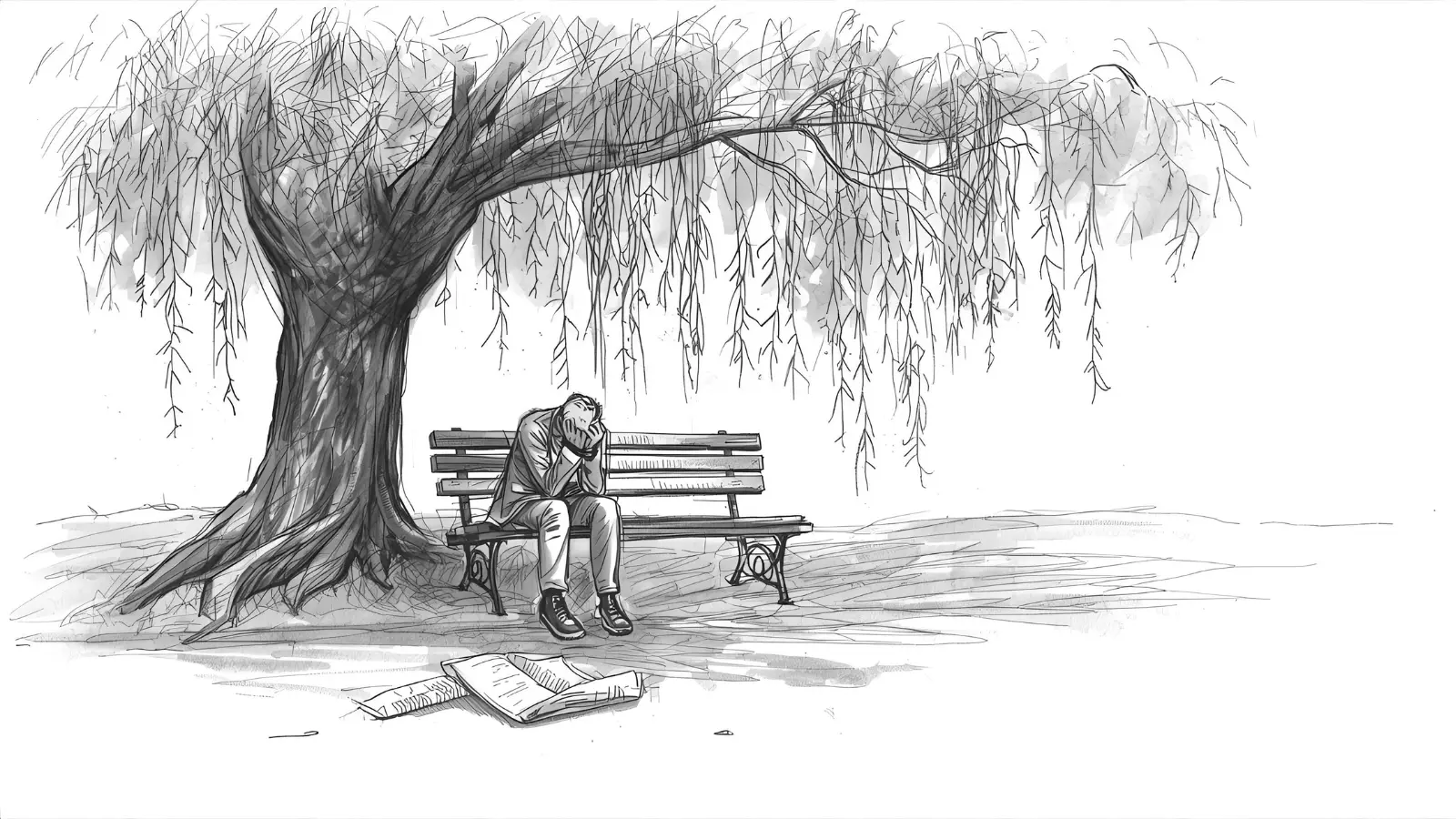
Have you ever felt completely alone, even in a room full of people? I know I have. That feeling when you look around and wonder if anyone truly sees you or understands what you’re going through. The heavy silence when you have thoughts to share but no one to share them with. If you’re nodding along, please know you’re not alone in feeling alone.
As someone who has struggled with loneliness, depression, and isolation, I want to share what I’ve learned along the way. This isn’t just theory, it’s what has helped me find connection when I felt most disconnected.
Loneliness is More Common Than You Think
Loneliness is a feeling we all experience at times. It’s that gap between the social interaction we want and what we actually have. You might be surprised to know that even people with lots of friends can feel deeply lonely.
The truth is, feeling alone doesn’t mean there’s something wrong with you. It means you’re human and built for connection.
Loneliness is more common than people think. In May 2023, U.S. Surgeon General Vivek Murthy issued an advisory declaring loneliness and social isolation a public health epidemic.
Here are some key points from The U.S. Surgeon General’s Advisory on the Healing Effects of Social Connection and Community:
The Problem: A Public Health Crisis
The Health Impacts: Serious and Far-Reaching
The Solution: A National Strategy to Advance Social Connection
The advisory proposes a framework for a national strategy to rebuild social connection, based on six key pillars:
- Strengthen Social Infrastructure: This involves investing in and creating community spaces like parks, libraries, and playgrounds that foster social interaction.
- Enact Pro-Connection Public Policies: This includes policies related to transportation, housing, and education that are designed to promote social connection.
- Mobilize the Health Sector: The advisory calls on the health sector to recognize and address the health consequences of loneliness and social isolation.
- Reform Digital Environments: This pillar focuses on creating healthier and more supportive online spaces.
- Deepen Our Knowledge: This involves investing in research to better understand the issue of social connection and disconnection.
- Cultivate a Culture of Connection: This is a call to action for individuals, communities, and organizations to prioritize and promote social connection in their daily lives.
The Difference Between Loneliness and Being Alone
Being alone is a physical state, simply not having others around. Loneliness is an emotional state. You can enjoy your own company and still want meaningful connections. Or you can be surrounded by people and feel completely isolated.
I’ve learned that alone time can actually be healing, while loneliness can hurt our health. The key is understanding the difference.
Cultural Perspectives on Loneliness
Different cultures view being alone differently. In some places, time by yourself is seen as strange. In others, it’s valued as necessary for thinking and growing.
But across cultures, one thing is clear – humans need meaningful connection. We’re wired for it. Even the most independent people need someone to talk to sometimes.
How Loneliness Affects Our Mental Health
When we have no one to talk to, it takes a real toll. I’ve experienced how loneliness can make everything harder:
The Link Between Loneliness and Mental Health is Strong
Research shows the link between loneliness and mental health is strong. When we feel disconnected for too long, it can contribute to depression, anxiety, and other struggles.
The National Library of Medicine (NLM) detailed findings that loneliness is a major indicator of social well-being with significant mental health risks. It summarizes evidence linking loneliness to multiple psychiatric conditions, including:
It also describes biological stress/immune pathways (e.g., impaired cellular immunity, stress reactivity) that can connect loneliness to mental health outcomes. Both the narrative review and the cited studies consistently indicate a strong and multifaceted association between loneliness and mental health.
The Connection Between Loneliness and Depression
I’ve been caught in this cycle before: feeling lonely leads to feeling down, which makes it harder to connect with others, which increases loneliness. It’s a difficult loop to break.
Loneliness and depression feed each other. The good news? Working on one often helps the other. When we find ways to feel more connected, our mood often improves too.
Loneliness in the Digital Age: Connected Yet Disconnected
Isn’t it strange that we’re more “connected” than ever, yet so many people feel deeply alone? As the book “Alone together why we expect more from technology and less from each other” explores, our digital lives can create an illusion of connection without the depth we need.
Social media shows us everyone’s highlight reels, making us feel like we’re the only ones struggling. I’ve spent countless hours scrolling, feeling worse about my own life and loneliness.
The Double-Edged Sword of Technology
Technology can both help and hurt our sense of connection:
The key is using digital connection as a bridge to real connection, not a replacement for it.
What to Do When You Have No One to Talk To
If you’re wondering “what to do when you have no one to talk to,” I’ve been there too. Here are strategies that have helped me:
1. Start with Self-Compassion
When I’m at my loneliest, I try to speak to myself like I would to a good friend. Instead of “What’s wrong with me that I have no friends?” I try “It’s really hard to feel so alone right now. Many people go through this.”
Being gentle with ourselves is the foundation for building connections with others. Emotional well-being starts from within.
2. Reach Out, Even When It’s Hard
I know how scary it can be to reach out when you feel like a burden. Start small:
Each small step in relationship building helps, even when the response isn’t perfect.
3. Improve Your Communication Skills
Sometimes loneliness comes from not knowing how to connect. Working on communication skills can help:
4. Find Your People
One of the best pieces of advice I received was: “Don’t try to make everyone like you. Find your people instead.” This small piece of advice can change everything.
Look for friendship-building opportunities around:
It’s not about having lots of friends. It’s about finding a few genuine connections.
Building Support Networks From Scratch
To build a support network, here’s what works:
In-Person Opportunities
Digital Tools That Actually Help
While online connections aren’t the same as in-person ones, these social connection apps and communication tools are lifelines for some people:
The key is using these as stepping stones, not final destinations.
Coping Strategies for the Hardest Days
On days when loneliness feels overwhelming and you truly have no one to talk to, these strategies may help:
1. Express Yourself Differently
2. Find Comfort in Structure
3. Seek Professional Support
When loneliness becomes too heavy, professional help can make a huge difference:
I once believed seeking help meant I had failed somehow. Now I know it’s one of the bravest, smartest things I’ve ever done.
The Path Forward: Building a Connected Life
Loneliness doesn’t have to be permanent. Small steps toward connection add up over time:
Practice Openness to Communication
Being willing to be a little vulnerable has changed my life. Openness to communication doesn’t mean sharing everything with everyone. It means being willing to take small risks to build connections.
Cultivate Empathy (For Yourself Too)
Cultivating empathy helps us connect better with others. But don’t forget to have empathy for yourself too. Your struggle with loneliness is real and valid.
Remember Connection Takes Time
Building meaningful relationships isn’t instant. Be patient with the process. Each small effort in interpersonal relationships matters, even when it doesn’t feel like it.
You Are Not Alone in Feeling Alone
If there’s one thing I want you to take from this, it’s that your loneliness doesn’t define you. It’s something you feel, not something you are. Millions of people struggle with feeling disconnected. Many of them go on to build rich, meaningful connections. I believe you can too.
What small step could you take today?
Maybe it’s joining an emotional support community, downloading a mental health app, or simply sending a text to someone you haven’t talked to in a while.
Whatever you choose, know that I’m rooting for you. The journey from loneliness to connection isn’t always easy, but it’s absolutely worth it.
Have Your Say
Have you found helpful ways to cope with loneliness? Or are you currently struggling?
Share your thoughts in the comments – Have Your SayHave Your SayHave Your SayHave Your SayHave Your SayHave Your Saysometimes connection starts right here.
Resources
Find a Helpline – Global Support at Your Fingertips 24/7
Find a Helpline is a good resource for immediate support through helplines and hotlines worldwide. It connects you to over 1,300 helplines in more than 130 countries, offering free and confidential emotional support. Various services are available, including suicide prevention, domestic violence assistance, and mental health resources for issues like anxiety and depression.
Helplines are available based on your specific needs through an intelligent ranking algorithm, ensuring people receive relevant and timely support. Availa988lifeline.orgble 24/7 – Reach out for help whenever you need to; judgment-free environment for open conversation!
988 Lifeline

The 988 Lifeline is free and confidential. It’s available 24/7, primarily as a resource for people in the United States. It is part of the national mental health hotline system established to provide support for those experiencing emotional distress or crises. It is a valuable resource for anyone in need of emotional support or facing a mental health challenge.
Help is available by phone, text, or chat, where trained counselors provide compassionate support and guidance.