What to Do When You Feel Like You Have No One to Talk To
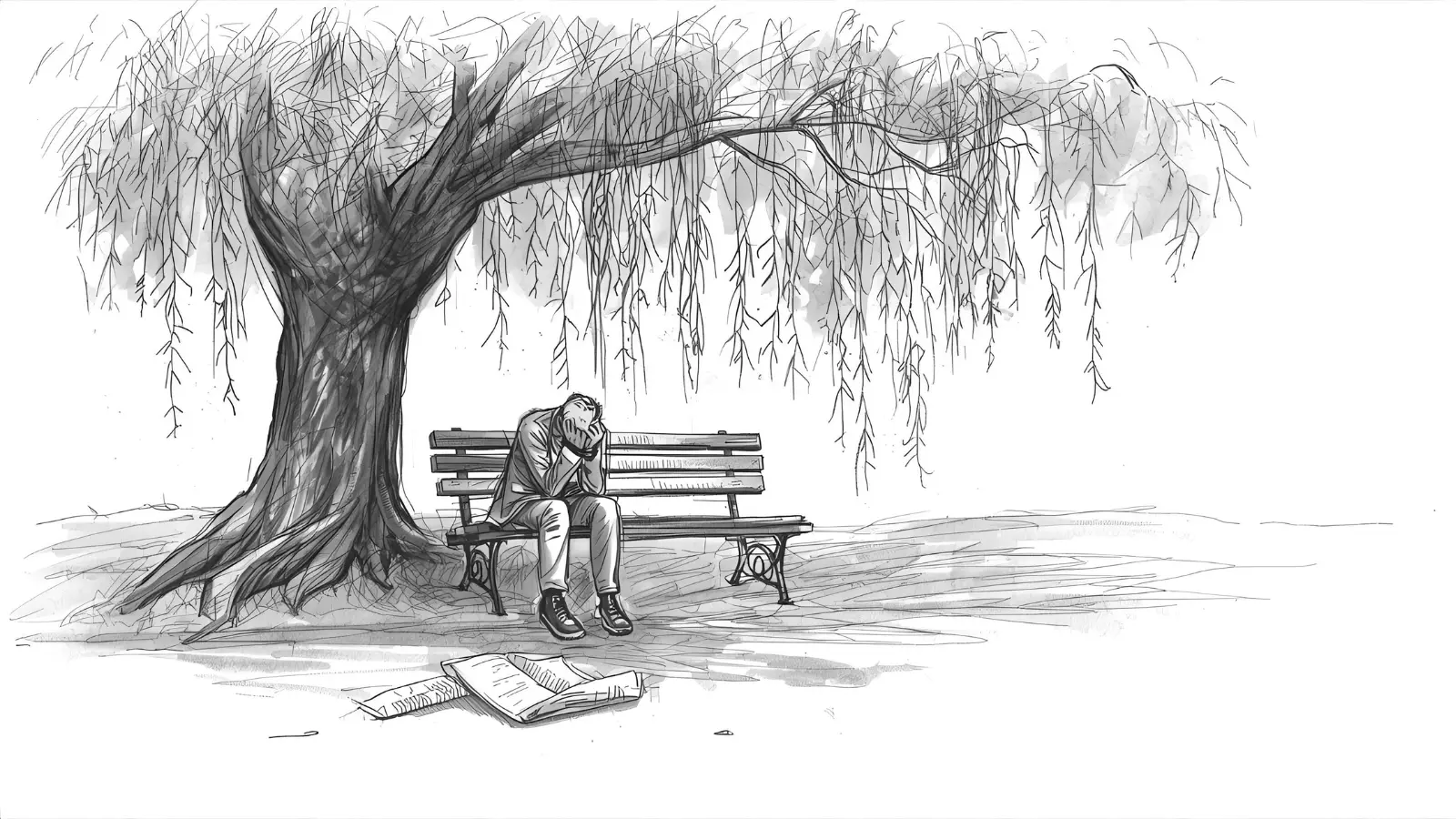
Feeling like you have no one to talk to can be incredibly heavy.
It can make everyday life feel quieter, harder, and more hopeless than other people realize. If this is where you are right now, please know this: feeling alone does not mean you are unimportant, broken, or beyond connection.
It means you need support.
Here are some gentle, practical steps you can take.
1. Start by naming what you feel
Sometimes the first step is simply being honest.
You might feel lonely, hurt, disconnected, ashamed, exhausted, or afraid of being a burden. Putting words to the feeling can make it a little less overwhelming.
2. Talk to yourself with kindness
When people feel like they have no one to talk to, they often become harsh with themselves.
Try replacing: “What is wrong with me?” with: “This is a really hard moment, and I deserve support too.”
Self-compassion does not solve everything, but it can lower the shame that keeps people stuck.
3. Reach out in the smallest possible way
You do not have to make a huge emotional phone call right away.
Try one small step:
- text one person hello
- reply to someone’s story or message
- ask a simple question
- send “I’ve been having a hard time and could use a little connection”
Small contact still counts.
4. Look for support, not perfection
Not every person will be the right person, and feeling like you have no one to talk to does not mean connection is impossible.
Instead of asking “Who will understand everything?” try asking “Who feels safest to start with?”
Support can come from:
- one trusted friend
- a family member
- a therapist
- a support group
- an online community
- a faith or community group
5. Put yourself where connection can happen
When you feel isolated, it can help to spend time in places where connection is more likely.
That might be:
- a support group
- a class
- a volunteer opportunity
- a community event
- a group connected to something you care about
You do not need instant deep friendship. You just need more chances for connection.
6. Let structure help you on the hardest days
Loneliness can get louder when days feel empty and unstructured.
Try creating a small daily rhythm:
- wake up at a consistent time
- go outside for a few minutes
- eat something nourishing
- message one person
- do one thing that reconnects you to life
When everything feels emotionally heavy, structure can be stabilizing.
7. Get support before things get worse
If feeling alone is starting to affect your sleep, hope, safety, or ability to function, it is time to reach for more support.
That might mean:
- talking to a therapist
- joining a mental health support group
- telling your doctor how low or isolated you feel
- asking someone you trust to help you make a plan
When to Seek Urgent Help
If you are thinking about hurting yourself, feel unsafe, or worry you may act on hopeless thoughts, seek urgent help right away through emergency services or a crisis line in your area. In the US, you can call or text the 988 Suicide & Crisis Lifeline any time, day or night, to reach a trained counselor for free, confidential support.
FAQ
Is it normal to feel like I have no one to talk to?
Yes. Feeling like you have no one to talk to is more common than many people realize. But common does not mean you have to stay stuck there.
What if I do not want to burden anyone?
That fear is very common. Start small, be honest, and remember that asking for connection is not the same as being a burden.
What if I do not have close friends?
Connection can still be built. Many people start with support groups, classes, volunteering, or one new conversation at a time.
Final Thought
If you feel alone right now, please do not treat that feeling as proof that no one cares.
Treat it as a signal that you need and deserve support.
Connection often begins with one honest moment, one small message, or one safe place to show up exactly as you are.
Our mental health support group is a free, welcoming space to connect with others who understand. Explore our resources for more support and guidance.