Medical Gaslighting: Signs, Examples, and What to Do Next
This article is for educational purposes only and is not medical or legal advice.
Have you ever left a medical appointment feeling dismissed, doubted, or more confused than when you walked in?
If so, you may have experienced medical gaslighting.
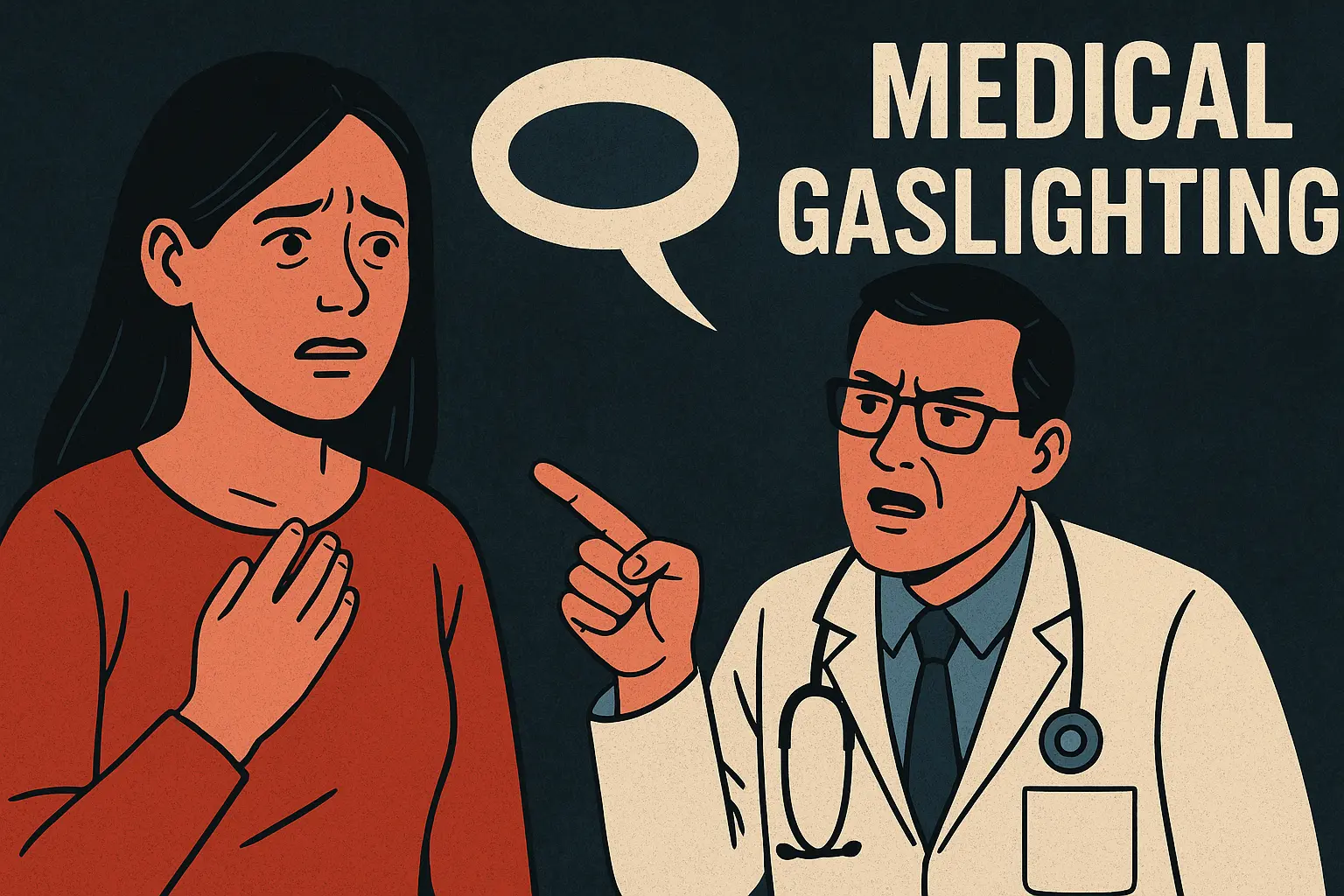
Medical gaslighting happens when a healthcare provider minimizes, dismisses, or explains away your symptoms in a way that makes you question your own experience. It can leave people feeling powerless, ashamed, and reluctant to seek care again.
This article explains what medical gaslighting can look like, why it happens, and what you can do next.
What Is Medical Gaslighting?
Medical gaslighting is not simply having a frustrating appointment. It is when a provider repeatedly dismisses symptoms, jumps to conclusions, ignores valid concerns, or makes you feel like your experience is not real or important.
It can happen to anyone, but it is often reported by people living with chronic pain, invisible illness, mental health conditions, complex symptoms, and other concerns that are easy for others to misunderstand.
Common Examples of Medical Gaslighting
Medical gaslighting may sound like:
- “It’s probably just stress.”
- “You’re overreacting.”
- “That’s normal for someone like you.”
- “You just need to lose weight.”
- “It’s all in your head.”
- “You’re too young to have that problem.”
- “Let’s wait and see,” without a real explanation or plan
Sometimes it is not only what is said. It can also show up as:
- being interrupted
- having concerns brushed aside
- being refused a referral or test without explanation
- having symptoms blamed on anxiety without proper evaluation
- leaving without answers, next steps, or feeling heard
Why Medical Gaslighting Hurts
When someone in authority dismisses your symptoms, the impact can be deep.
Medical gaslighting can lead to:
- delayed diagnosis
- worsening symptoms
- fear of seeking care
- shame and self-doubt
- broken trust in healthcare
- emotional exhaustion
For people already managing pain, trauma, disability, or mental health struggles, this can be especially damaging.
What to Do Before an Appointment
Preparation can help you feel more confident and make it easier to advocate for yourself.
Before your visit:
- write down your symptoms, when they started, and how they affect daily life
- bring a short list of your top concerns
- take photos or notes if symptoms change over time
- bring medication lists, past test results, or records if relevant
- consider bringing a trusted support person if that feels helpful
What to Say During the Appointment
You do not have to be aggressive to advocate for yourself. Clear, calm language can go a long way.
You can say:
- “I need help understanding why this is happening.”
- “These symptoms are affecting my daily life.”
- “Can you explain why you do or do not think further testing is needed?”
- “If you do not recommend a referral, can you explain why?”
- “I would like my symptoms and concerns documented in my chart.”
- “What are the next steps if this does not improve?”
What to Do After a Dismissive Appointment
If you leave feeling dismissed:
- write down what happened while it is still fresh
- request copies of your visit notes if needed
- get a second opinion
- seek a provider who listens and explains clearly
- ask for support from someone you trust
- remind yourself that being dismissed does not mean your symptoms are not real
When to Seek Immediate Help
If your symptoms feel urgent, severe, or unsafe, do not wait for a dismissive provider to change course. Seek emergency care or urgent medical help right away.
Support Matters Too
Medical gaslighting is not only a medical issue. It can affect your mental health, confidence, and ability to keep reaching for care.
If you are feeling isolated, overwhelmed, or emotionally worn down by chronic symptoms or dismissal, support can help. Our chronic pain support group and mental health support group are here for you. You deserve care that is respectful, thoughtful, and grounded in listening.
FAQ
Is medical gaslighting always intentional?
No. Sometimes it comes from bias, rushing, poor communication, or assumptions. The impact can still be harmful.
What if I start doubting myself?
That is a very common response. Write down your symptoms, keep records, and talk to a trusted person who can help you stay grounded in your experience.
Should I get a second opinion?
Yes, especially if your symptoms are ongoing, worsening, or affecting daily life and you do not feel heard.
What if I have chronic pain or an invisible illness?
These are some of the situations where people often report feeling dismissed. It is especially important to keep notes, ask questions, and look for providers who take your concerns seriously.
Final Thought
If something feels wrong in your body, you deserve to be taken seriously.
You are not difficult for asking questions. You are not overreacting for wanting answers. And you are not alone if being dismissed has shaken your trust.
Keep advocating. Keep asking. Keep looking for care that listens.
Explore our support groups to find community with others who understand.